
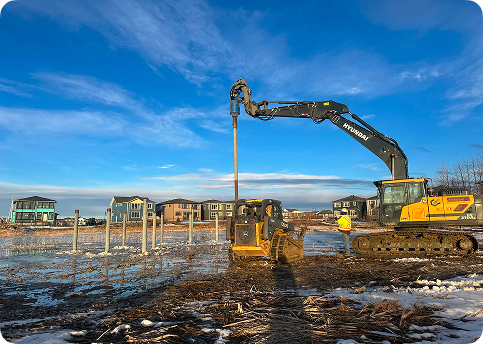
Screw pile installation is a modern foundation solution that offers numerous advantages for various construction projects. This article delves into the methods and best practices for installing screw piles, providing valuable insights for foundation installation contractors. Readers will learn about key installation techniques, essential equipment, and the benefits of screw pile foundations for both commercial and residential applications. As the demand for efficient and reliable foundation solutions grows, understanding the intricacies of screw pile installation becomes crucial for contractors aiming to deliver high-quality results. This guide will cover the key helical pile installation techniques, a step-by-step installation guide, essential equipment, the benefits of screw pile foundations, and safety standards in the industry.
What Are the Key Helical Pile Installation Techniques?
Helical pile installation techniques involve the use of screw piles that are mechanically advanced into the ground to provide foundational support. These techniques are favored for their efficiency and minimal disturbance to the surrounding environment. The primary methods include:
- Continuous Flight Auger (CFA) Method: This technique involves drilling a continuous hole while simultaneously inserting the screw pile, ensuring a secure fit in the soil.
- Helical Screw Pile Method: This method utilizes a helical blade design that allows the pile to be screwed into the ground, providing immediate load-bearing capacity.
- Pre-drilling Method: In challenging soil conditions, pre-drilling may be employed to create a pilot hole before installing the screw pile, ensuring better alignment and stability.
Understanding these techniques helps contractors choose the most suitable method for their specific project requirements.
Step-by-step guide to helical screw pile installation
The installation of helical screw piles follows a systematic approach to ensure optimal performance and safety. Here’s a step-by-step guide:
- Site Assessment: Evaluate the soil conditions and load requirements to determine the appropriate screw pile specifications.
- Equipment Setup: Prepare the installation equipment, ensuring it is calibrated and ready for operation.
- Pilot Hole Creation: If necessary, create a pilot hole to guide the screw pile into the ground.
- Screw Pile Installation: Use the installation equipment to drive the screw pile into the ground, monitoring for proper alignment and depth.
- Load Testing: Conduct load tests to verify the pile’s capacity and ensure it meets project specifications.
- Final Inspection: Inspect the installed piles for any signs of misalignment or damage before proceeding with the construction.
Following these steps ensures a successful installation process, leading to a stable foundation.
Essential equipment used in screw pile foundation installation
The installation of screw piles requires specialized equipment to ensure efficiency and safety. Key equipment includes:
| Equipment Type | Functionality | Safety Considerations |
|---|---|---|
| Hydraulic Torque Head | Drives screw piles into the ground | Ensure proper calibration to prevent equipment failure |
| Auger | Pre-drills holes in challenging soil | Regular maintenance to avoid breakdowns |
| Pile Driver | Installs piles with precision | Operator training to handle equipment safely |
Using the right equipment not only enhances installation efficiency but also minimizes risks associated with the process.
What Are the Benefits of Screw Pile Foundations for Commercial and Residential Projects?
Screw pile foundations offer several advantages that make them an attractive choice for both commercial and residential projects. These benefits include:
- Cost-Effectiveness: Screw piles can be installed quickly, reducing labor costs and project timelines.
- Structural Stability: They provide excellent load-bearing capacity, making them suitable for various soil conditions.
- Minimal Site Disturbance: The installation process is less invasive compared to traditional methods, preserving the surrounding environment.
Incorporating screw piles into foundation designs can lead to significant long-term savings and enhanced structural integrity.
Further emphasizing their versatility, research highlights the broad range of applications and inherent advantages of helical piles across various construction types.
Helical Pile Applications, Benefits, and Field Practices
Initially used as foundations for transmission towers, helical piles are now used for solar power plants, wind turbines, boardwalks, retaining walls, retrofitting works, and even residential buildings. Crucial progress has been made over the last few decades using various numerical solution approaches, field tests, and software analyses to improve the design of such piles, as they have numerous benefits over conventional piles. Helical piling field practices are also done based on design manuals formulated by companies manufacturing them.
For those seeking reliable screw pile installation services, Inland Screw Piling Ltd. specializes in efficient foundation solutions tailored for commercial, industrial, residential, and municipal projects.
Structural stability and cost-effectiveness advantages
The structural stability provided by screw pile foundations is a key factor in their growing popularity. Unlike traditional foundations, screw piles can be installed in a variety of soil conditions, including loose or unstable soils. This adaptability ensures that the foundation remains stable over time, reducing the risk of settlement or structural failure.
Additionally, the cost-effectiveness of screw piles stems from their quick installation process. This efficiency translates to lower labor costs and shorter project timelines, making them an appealing option for contractors and clients alike.
Corrosion protection methods for long-lasting foundations
To ensure the longevity of screw pile foundations, effective corrosion protection methods are essential. Common techniques include:
- Galvanization: Coating the steel piles with a layer of zinc to prevent rust and corrosion.
- Epoxy Coating: Applying a protective epoxy layer that resists moisture and chemical exposure.
- Cathodic Protection: Implementing a system that prevents corrosion through electrochemical means.
These methods enhance the durability of screw piles, ensuring they maintain their structural integrity over time.
How Do Commercial and Residential Screw Piling Services Differ?
Screw piling services can vary significantly between commercial and residential projects. Key differences include:
- Project Scope: Commercial projects often involve larger structures and more complex requirements compared to residential projects.
- Service Customization: Commercial services may offer tailored solutions to meet specific engineering standards and regulations.
- Cost Variations: The scale and complexity of commercial projects typically result in higher costs compared to residential installations.
Understanding these differences helps contractors provide appropriate solutions for each project type.
Tailored solutions for diverse project types
Inland Screw Piling Ltd. offers tailored screw piling solutions that cater to the unique needs of various project types. By assessing the specific requirements of each project, the company can design and implement foundation solutions that optimize performance and safety. This customization ensures that clients receive the most effective foundation systems for their construction needs.
Case studies showcasing successful screw pile installations
Several case studies highlight the successful application of screw pile foundations in diverse projects. For instance, a recent commercial development utilized screw piles to support a multi-story building in a challenging soil environment. The project demonstrated the effectiveness of screw piles in providing stability and load-bearing capacity, ultimately leading to a successful completion ahead of schedule.
These real-world examples illustrate the versatility and reliability of screw pile foundations across various construction scenarios.
What Are Common Safety Standards and Best Practices in Screw Pile Installation?
Safety is paramount in screw pile installation, and adhering to established standards is crucial. Common safety protocols include:
- Personal Protective Equipment (PPE): Ensuring all workers wear appropriate PPE, including helmets, gloves, and safety boots.
- Site Safety Management: Implementing a comprehensive safety plan that addresses potential hazards and emergency procedures.
- Regulatory Compliance: Following local regulations and industry standards to ensure safe installation practices.
By prioritizing safety, contractors can minimize risks and protect their workforce during the installation process.
Safety protocols for installation contractors and project managers
Installation contractors and project managers must adhere to strict safety protocols to ensure a safe working environment. Key protocols include:
- Regular Training: Providing ongoing safety training for all personnel involved in the installation process.
- Equipment Inspections: Conducting routine inspections of all equipment to ensure it is in safe working condition.
- Emergency Preparedness: Establishing clear emergency procedures and ensuring all workers are familiar with them.
These protocols help create a culture of safety that benefits both workers and the project as a whole.
Load capacity testing and quality assurance procedures
Load capacity testing is a critical component of screw pile installation, ensuring that the piles can support the intended loads. Common testing methods include:
- Static Load Testing: Applying a load to the pile and measuring its response to determine its capacity.
- Dynamic Load Testing: Using impact testing to assess the pile’s performance under dynamic conditions.
- Quality Assurance Procedures: Implementing rigorous quality control measures throughout the installation process to ensure compliance with specifications.
These testing and quality assurance procedures are essential for verifying the integrity and performance of screw pile foundations.
Frequently Asked Questions
What factors should be considered when selecting screw piles for a project?
When selecting screw piles for a project, several factors must be considered, including soil type, load requirements, and environmental conditions. Soil analysis is crucial to determine the appropriate pile type and size, as different soils can affect the pile’s performance. Additionally, understanding the load-bearing capacity needed for the structure will guide the selection process. Environmental factors, such as moisture levels and potential corrosive elements, also play a significant role in ensuring the longevity and effectiveness of the screw piles used.
How do screw piles compare to traditional foundation methods?
Screw piles offer several advantages over traditional foundation methods, including faster installation times and reduced site disturbance. Unlike conventional foundations that require extensive excavation, screw piles can be installed with minimal soil disruption, making them ideal for sensitive environments. Additionally, screw piles provide immediate load-bearing capacity, which can expedite construction timelines. They are also more adaptable to various soil conditions, reducing the risk of settlement and structural failure compared to traditional methods, which may not perform well in challenging soils.
What maintenance is required for screw pile foundations?
Screw pile foundations generally require minimal maintenance, but regular inspections are essential to ensure their integrity over time. Inspecting for signs of corrosion, misalignment, or structural damage is crucial, especially in harsh environmental conditions. If corrosion protection methods, such as galvanization or epoxy coatings, are used, periodic checks should confirm their effectiveness. Additionally, monitoring the surrounding soil conditions can help identify any potential issues that may arise, allowing for timely interventions to maintain the foundation’s stability and performance.
Can screw piles be used in residential construction?
Yes, screw piles are highly suitable for residential construction. Their ability to provide stable foundations in various soil conditions makes them an excellent choice for homes, especially in areas with challenging ground conditions. Screw piles can support a wide range of residential structures, from single-family homes to multi-story buildings. Their quick installation process also helps reduce construction timelines, making them a cost-effective solution for homeowners and builders alike, while ensuring long-term stability and safety.
What are the environmental benefits of using screw piles?
Screw piles offer significant environmental benefits compared to traditional foundation methods. Their installation process is less invasive, resulting in minimal soil disturbance and reduced impact on surrounding ecosystems. This is particularly advantageous in sensitive areas where preserving the natural environment is crucial. Additionally, screw piles can be installed in various soil conditions without the need for extensive excavation, which helps to maintain the integrity of the site. Their longevity and durability also contribute to sustainable construction practices by reducing the need for frequent repairs or replacements.
What are the common challenges faced during screw pile installation?
Common challenges during screw pile installation include encountering difficult soil conditions, such as rocky or highly compacted soils, which can hinder the installation process. Additionally, ensuring proper alignment and depth during installation is critical to the pile’s performance, and any misalignment can lead to structural issues. Weather conditions can also pose challenges, as extreme temperatures or heavy rainfall may affect the installation timeline. Proper planning, site assessment, and the use of appropriate equipment can help mitigate these challenges and ensure a successful installation.